
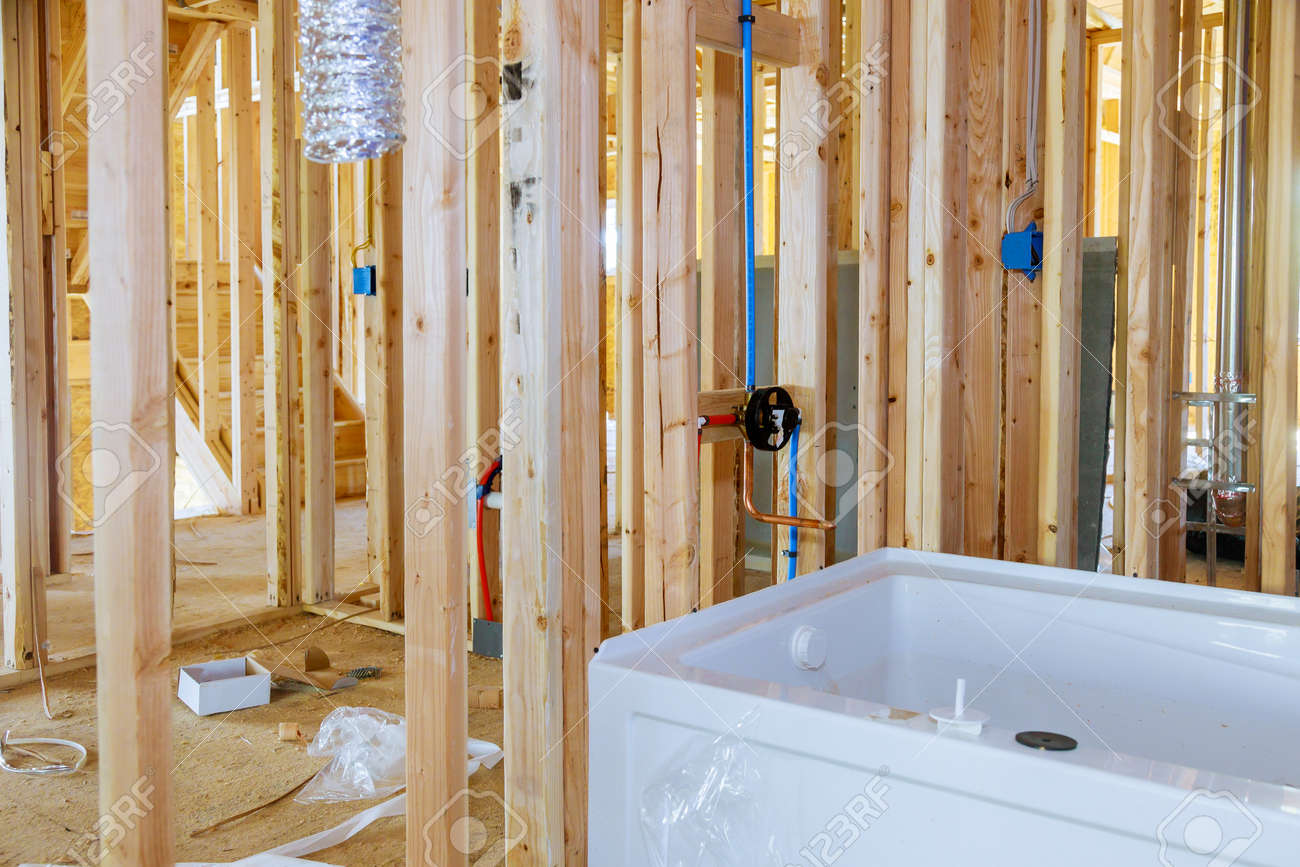

A bathroom remodel is more than replacing tile and fixtures — it’s a strategic upgrade that improves comfort, efficiency, and property value. Whether you’re remodeling a guest bathroom, upgrading a master suite, or modernizing an outdated layout, proper planning makes all the difference.
At FTR Renovation, we approach bathroom remodeling with a focus on structural integrity, smart design, and long-term durability. Here’s a detailed breakdown of what goes into a successful bathroom renovation.
Step 1: Planning & Design Strategy
Every successful remodel begins with a clear plan.
Define Your Goals
- Are you remodeling for resale or long-term living?
- Do you need more storage?
- Is the layout inefficient?
- Are you upgrading for luxury or functionality?
Layout Evaluation
We assess:
- Plumbing locations
- Structural walls
- Ventilation paths
- Window placement
- Natural light
Relocating plumbing (toilet, shower, or sink) increases cost but may dramatically improve layout and usability.
Step 2: Budget Breakdown
Bathroom remodel costs vary depending on size, materials, and structural changes.
Typical cost factors include:
- Demolition
- Plumbing upgrades
- Electrical updates
- Waterproofing
- Tile & flooring
- Vanities & countertops
- Glass enclosures
- Permits
High-end materials and custom work increase investment but also improve durability and property value.
Step 3: Demolition & Rough Construction
Once permits are approved (if required), demolition begins.
During this phase we often uncover:
- Hidden water damage
- Improper past waterproofing
- Outdated galvanized plumbing
- Electrical code violations
This stage includes:
- Reframing (if layout changes)
- Plumbing relocation
- Electrical rewiring
- Installation of proper ventilation
Proper preparation here prevents long-term issues.
Step 4: Waterproofing – The Most Critical Step
Waterproofing is the foundation of a long-lasting bathroom.
We use:
- Waterproof membranes in shower walls
- Proper shower pan systems
- Sealed seams and corners
- Moisture-resistant backer boards
Skipping or rushing waterproofing leads to mold, leaks, and structural damage. This is not an area to cut corners.
Step 5: Tile & Finish Work
Tile selection impacts both aesthetics and maintenance.
Popular options include:
- Porcelain tile (durable and low maintenance)
- Large-format tiles (modern, fewer grout lines)
- Mosaic tile (shower floors & accents)
- Natural stone (luxury appearance)
Precision installation ensures clean lines and proper drainage slopes in showers.
Step 6: Fixtures & Custom Features
Modern bathroom upgrades include:
Walk-In Showers
- Frameless glass
- Linear drains
- Rainfall shower heads
- Built-in niches
Vanities
- Floating vanities for a modern look
- Double sinks for master bathrooms
- Quartz countertops for durability
Luxury Add-Ons
- Heated flooring
- Smart toilets
- LED backlit mirrors
- Freestanding soaking tubs
These features transform a basic bathroom into a spa-like retreat.
Energy Efficiency & Ventilation
Proper ventilation is essential in preventing moisture buildup. We install:
- High-efficiency exhaust fans
- Moisture-sensing switches
- Energy-efficient LED lighting
Low-flow toilets and water-saving fixtures reduce long-term water consumption.
Common Bathroom Remodeling Challenges
Bathroom renovations frequently reveal surprises such as:
- Structural damage from past leaks
- Insufficient floor support for heavy tubs
- Tight spaces requiring custom solutions
- HVAC duct rerouting
An experienced contractor anticipates and resolves these issues efficiently.
Timeline Expectations
Average bathroom remodel timeline:
- Design & planning: 1–3 weeks
- Permits (if required): 1–4 weeks
- Construction: 3–6 weeks
Larger or more complex remodels may take longer.
Return on Investment
Bathroom remodels consistently rank among the top home improvements for ROI. Updated bathrooms:
- Increase resale appeal
- Improve daily comfort
- Enhance overall home aesthetics
A well-executed renovation adds measurable value to your property.
Why Professional Installation Matters
Bathrooms are high-moisture environments. Poor workmanship can lead to:
- Mold growth
- Structural rot
- Plumbing failures
- Expensive future repairs
Professional remodeling ensures compliance with building codes and long-term reliability.
Final Thoughts
A bathroom remodel is an investment in both comfort and property value. With proper planning, quality materials, and expert craftsmanship, you can transform an outdated space into a modern, efficient, and beautiful retreat.
If you’re considering a bathroom renovation, our team is ready to guide you through every step — from design to completion.