
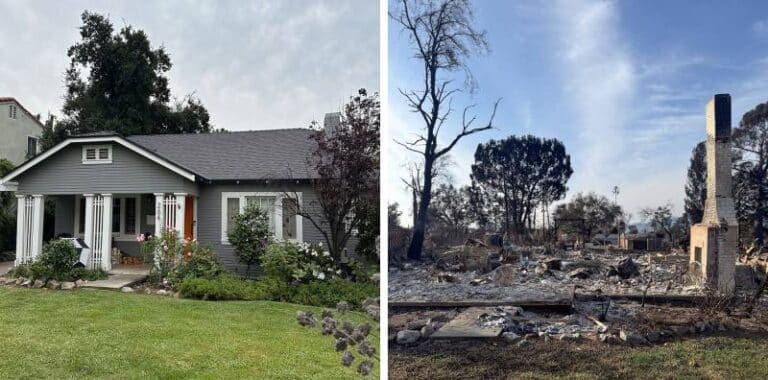
The Eaton Fire caused significant destruction in Altadena and nearby communities, leaving many homeowners facing the difficult process of rebuilding their homes. Fires of this scale often result in structural damage, smoke contamination, and the need for full reconstruction. While the recovery process can be overwhelming, understanding how rebuilding works can help homeowners move forward with confidence.
For many families, rebuilding is not just about restoring what was lost—it is an opportunity to build a safer, stronger, and more modern home. Working with experienced contractors and understanding the permitting and construction process are essential steps in achieving a successful rebuild.
At FTR Renovation, we help homeowners navigate the rebuilding process from start to finish, ensuring every stage of construction meets current safety standards and building codes.
Understanding Fire Damage to a Home
Fire damage often extends far beyond the visible destruction. Even if parts of a structure appear intact, extreme heat can weaken framing, roofing systems, and structural components. Smoke and ash can also penetrate walls, insulation, and ventilation systems, requiring careful remediation.
In many fire-damaged homes, additional water damage occurs due to firefighting efforts. Water used to extinguish the fire can affect drywall, flooring, and electrical systems.
A professional inspection typically evaluates several key components of the structure:
- Structural framing and load-bearing walls
- Roofing systems and attic framing
- Electrical wiring and service panels
- Plumbing systems and piping
- Foundations and structural stability
- Smoke and soot contamination
These inspections determine whether the structure can be repaired or if a complete rebuild is necessary.
Demolition and Site Preparation
Before reconstruction can begin, damaged structures must be safely removed. This process includes demolition of compromised materials, removal of debris, and preparation of the site for rebuilding.
The demolition stage typically involves:
- Removing damaged framing and roofing components
- Clearing fire debris and hazardous materials
- Inspecting the foundation and structural base
- Preparing the lot for new construction
During this stage, environmental regulations may also require special disposal procedures for fire-related debris.
Permits and City Requirements
Rebuilding after a wildfire requires approval from local building departments. In Altadena and surrounding areas, rebuilding must comply with current building codes and safety standards.
Even if a home was originally built decades ago, reconstruction projects must meet modern requirements. These updated standards often include stronger structural systems and improved energy efficiency.
The permitting process may require:
- Architectural plans and design drawings
- Structural engineering approval
- Energy compliance documentation
- Fire safety and building code compliance
- City inspections during construction
Working with an experienced contractor helps streamline the permitting process and avoid delays.
Structural Reconstruction
Once plans are approved and permits are issued, reconstruction begins. The structural phase focuses on rebuilding the framework of the home and ensuring it meets modern safety standards.
This stage may include:
- Structural framing and shear walls
- Roof framing and structural reinforcement
- Roof sheathing and roofing installation
- Exterior sheathing and weatherproof barriers
- Window and exterior door installation
Structural reconstruction is one of the most important stages of the project because it ensures the home is stable and built to withstand future environmental conditions.
Mechanical, Electrical, and Plumbing Systems
After the structural framework is completed, the home’s essential systems are installed. These systems must meet current safety and efficiency standards.
This phase of construction includes:
- Electrical wiring and new service panels
- Plumbing systems and water supply lines
- Heating, ventilation, and air conditioning (HVAC) systems
- Insulation for energy efficiency
These systems are inspected before walls are closed to ensure they meet building code requirements.
Interior Finishes and Final Construction
Once the core systems are installed and approved, construction moves into the interior finishing stage. This phase transforms the structural framework into a livable home.
Interior construction typically includes:
- Drywall installation and finishing
- Interior doors and trim work
- Flooring installation
- Cabinetry and countertops
- Kitchen and bathroom fixtures
- Interior painting and finishing details
At this stage, homeowners often begin to see their rebuilt home take shape.
Building Back Stronger and Safer
Rebuilding after a fire offers an opportunity to upgrade the home with modern materials and improved safety features. Many homeowners choose to enhance their homes with fire-resistant and energy-efficient materials during reconstruction.
Common upgrades include:
- Fire-resistant roofing materials
- Double-pane energy-efficient windows
- Modern open-concept floor plans
- Improved insulation and energy systems
- Smart home technology
- Updated kitchens and bathrooms
These improvements not only increase comfort but can also improve long-term property value.
The Importance of Hiring an Experienced Contractor
Fire reconstruction projects require coordination between multiple professionals, including contractors, engineers, architects, insurance companies, and city inspectors. Hiring an experienced contractor helps ensure the process is handled efficiently and safely.
A qualified contractor will:
- Manage permits and inspections
- Coordinate with engineers and architects
- Ensure construction meets current building codes
- Maintain project timelines and budgets
- Provide quality craftsmanship throughout the project
Choosing the right contractor can make a major difference in the overall rebuilding experience.
Rebuilding After the Eaton Fire
Although losing a home to wildfire is devastating, rebuilding provides an opportunity to restore your property and move forward. With careful planning, modern construction methods, and experienced professionals, homeowners can rebuild homes that are stronger, safer, and more efficient than before.
The Eaton Fire impacted many families across Altadena, but rebuilding efforts are helping communities recover and move forward.
At FTR Renovation, we specialize in structural rebuilding, home reconstruction, and residential renovation throughout Altadena and Los Angeles County. Our goal is to guide homeowners through the rebuilding process and deliver high-quality construction that stands the test of time.