3,700 sqf 1 Story Custom Home Rebuild With ADU In Altadena
Altadena |
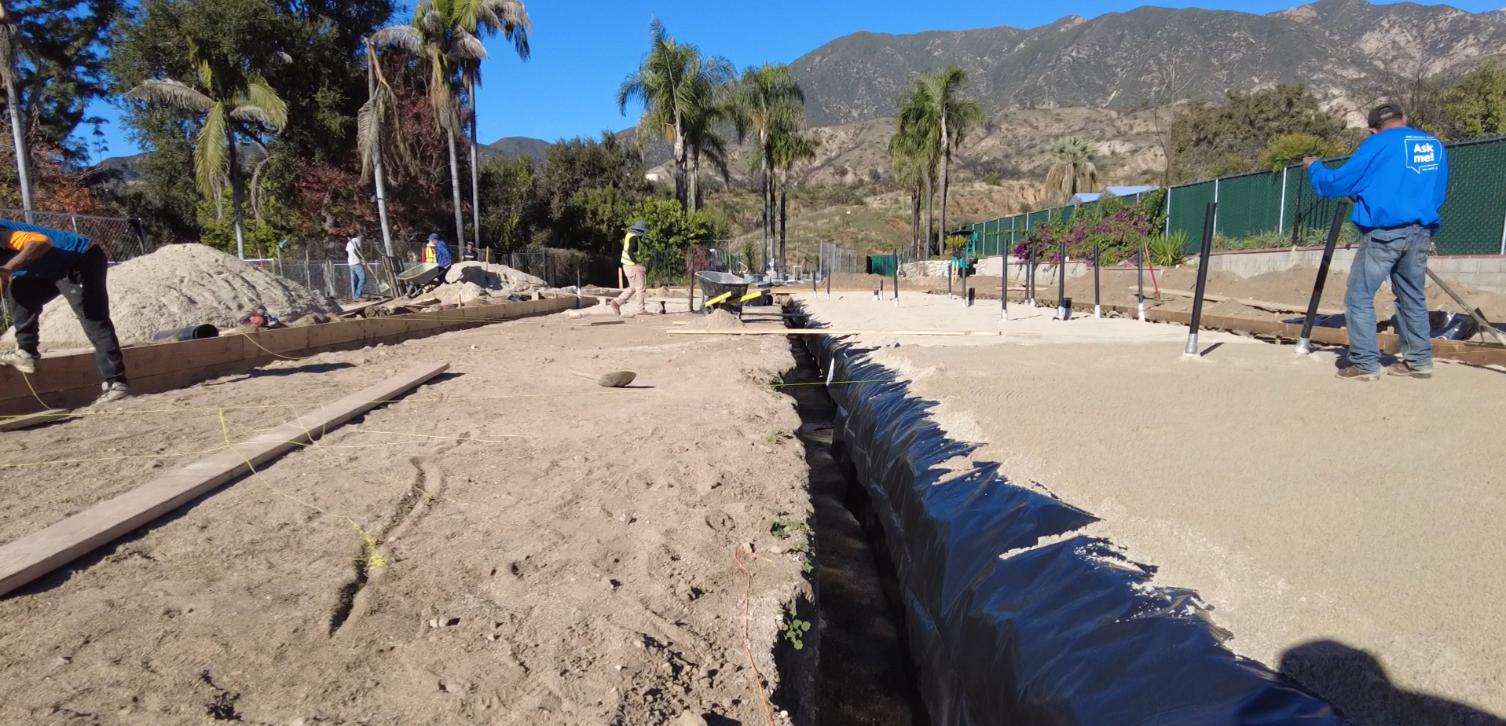
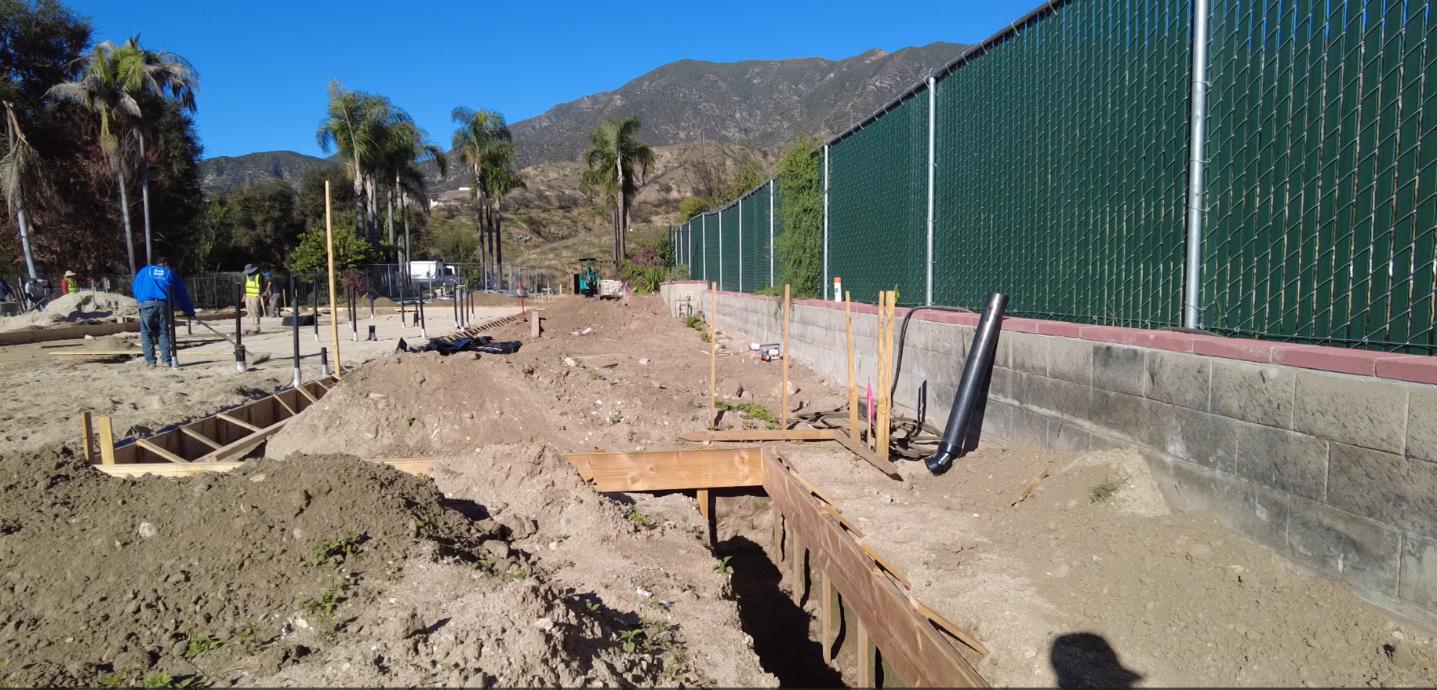
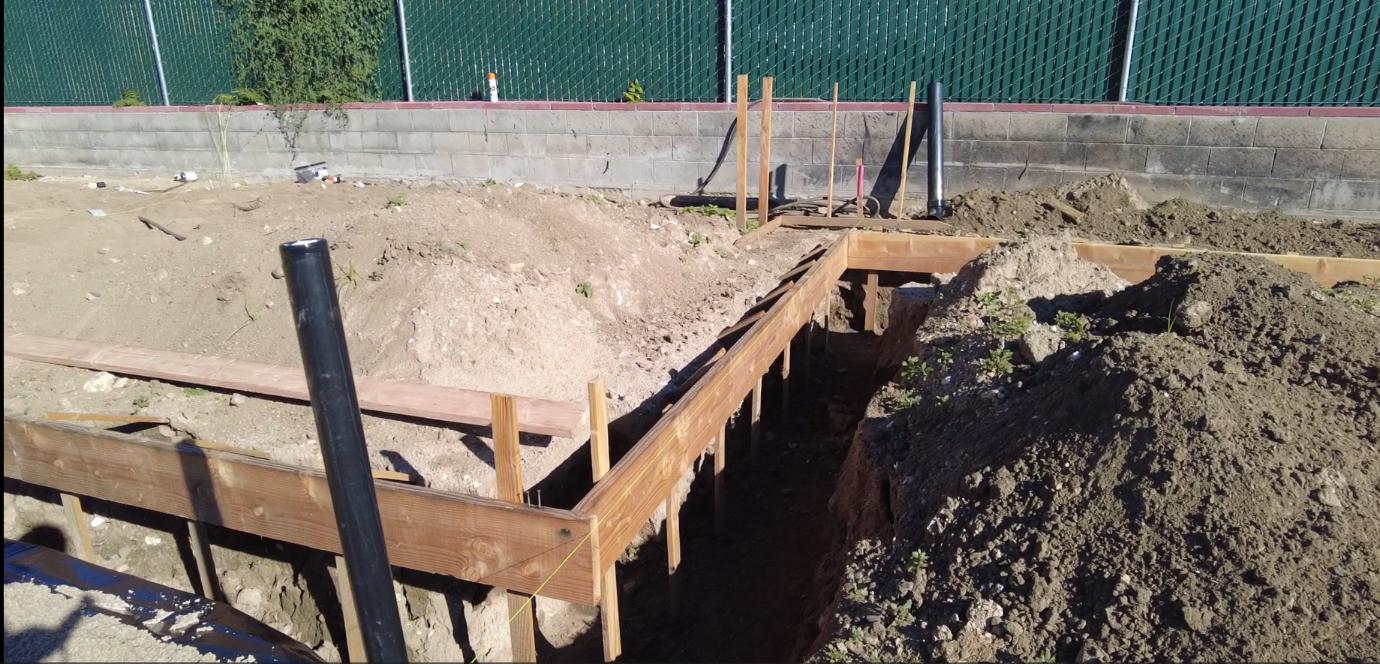
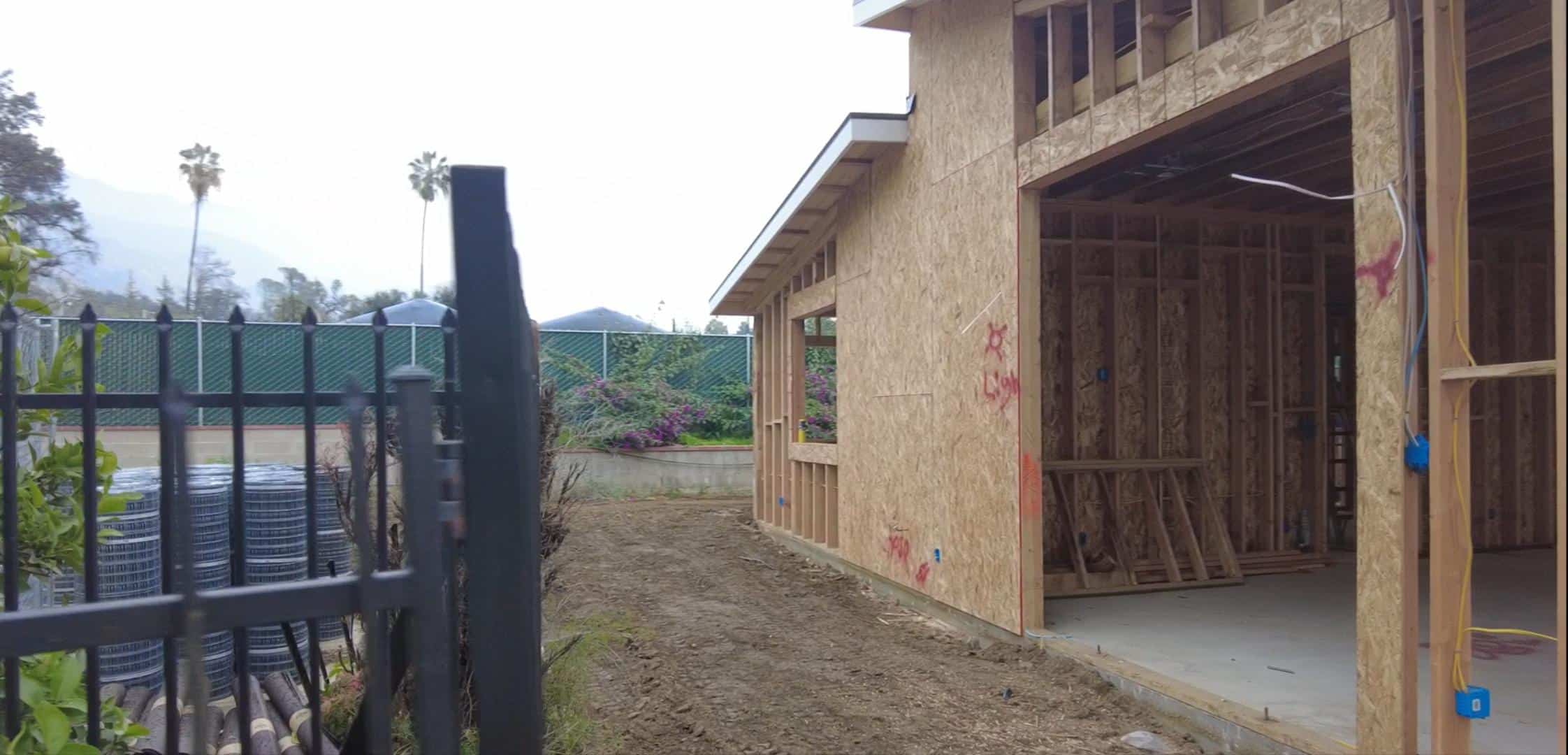
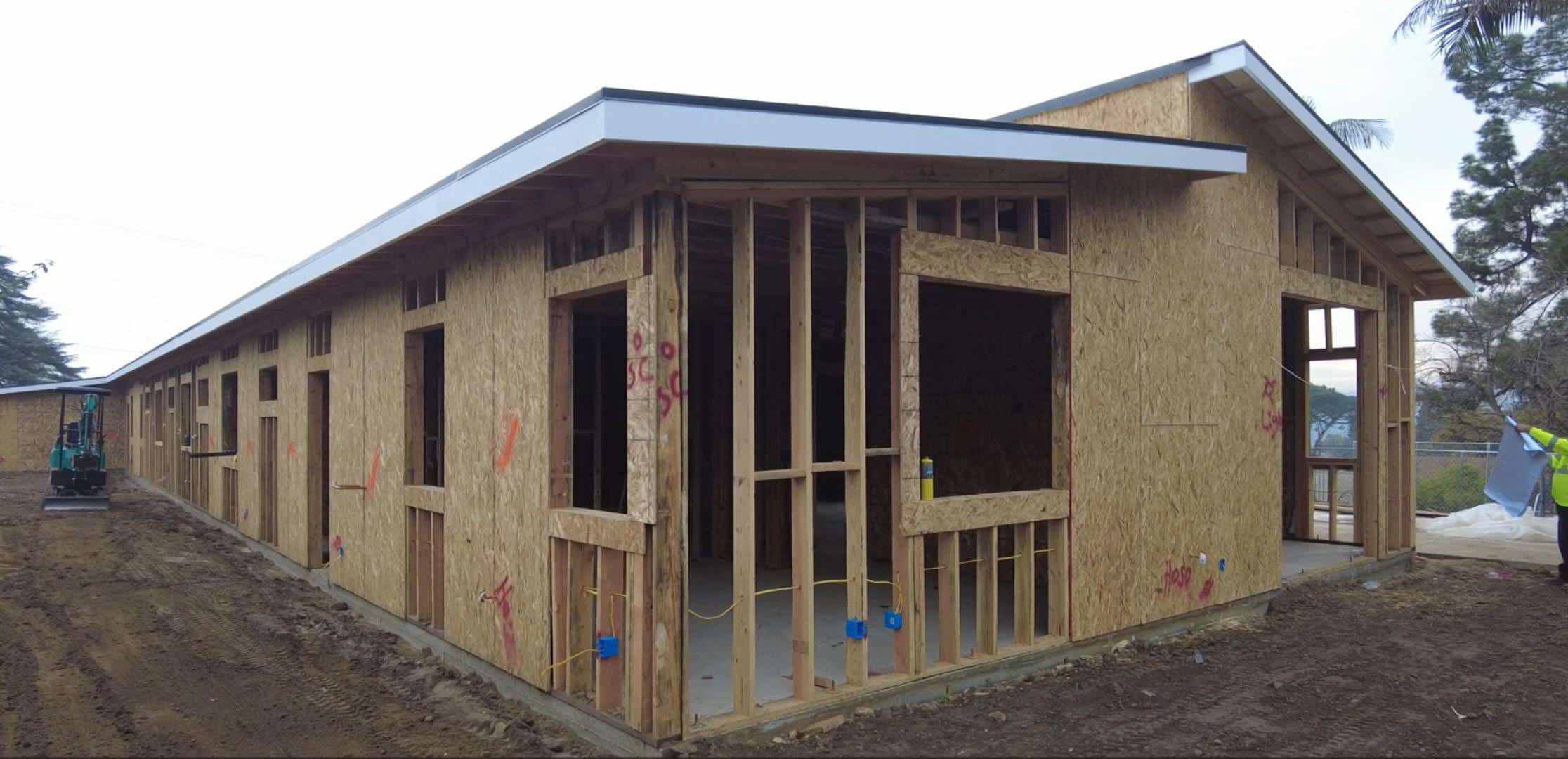
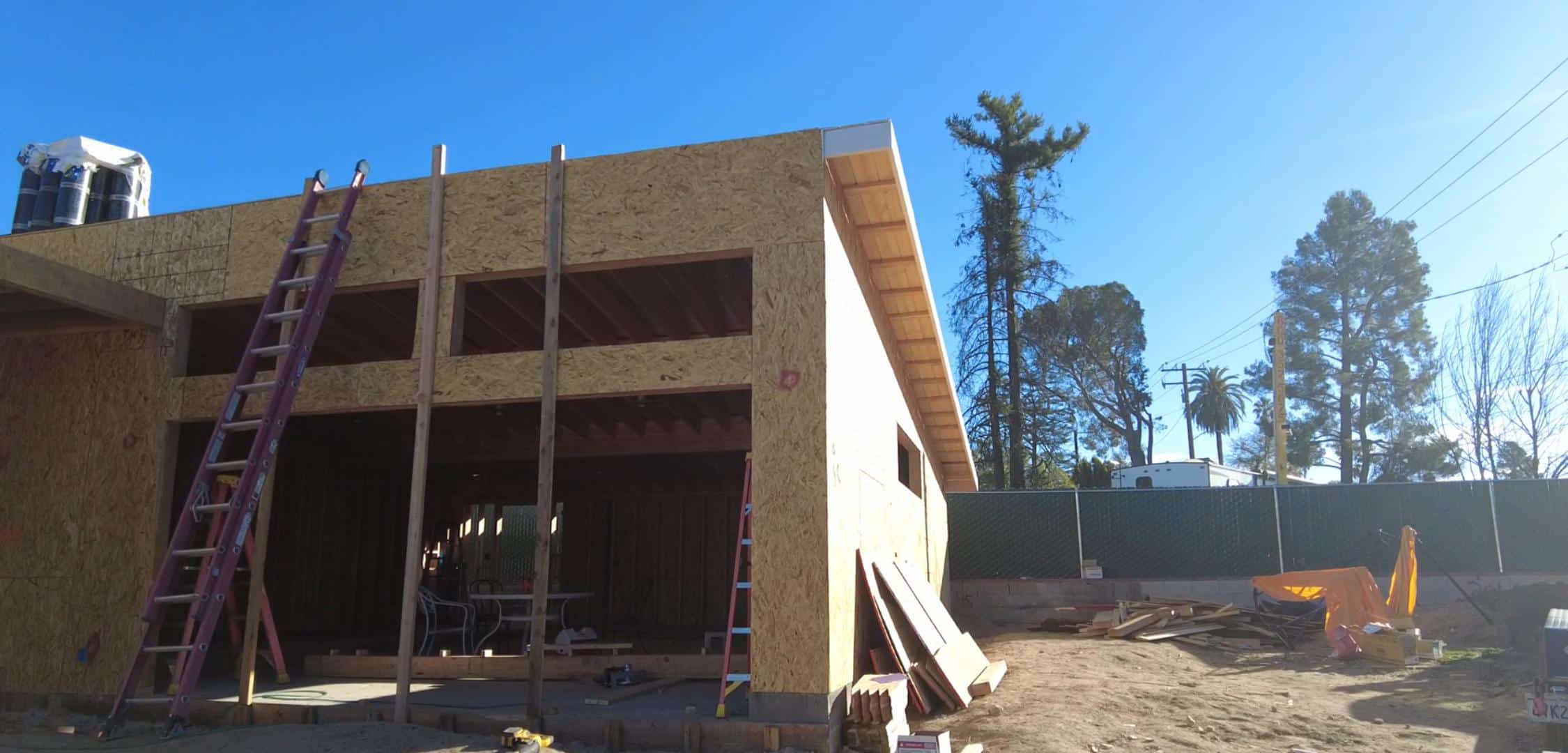
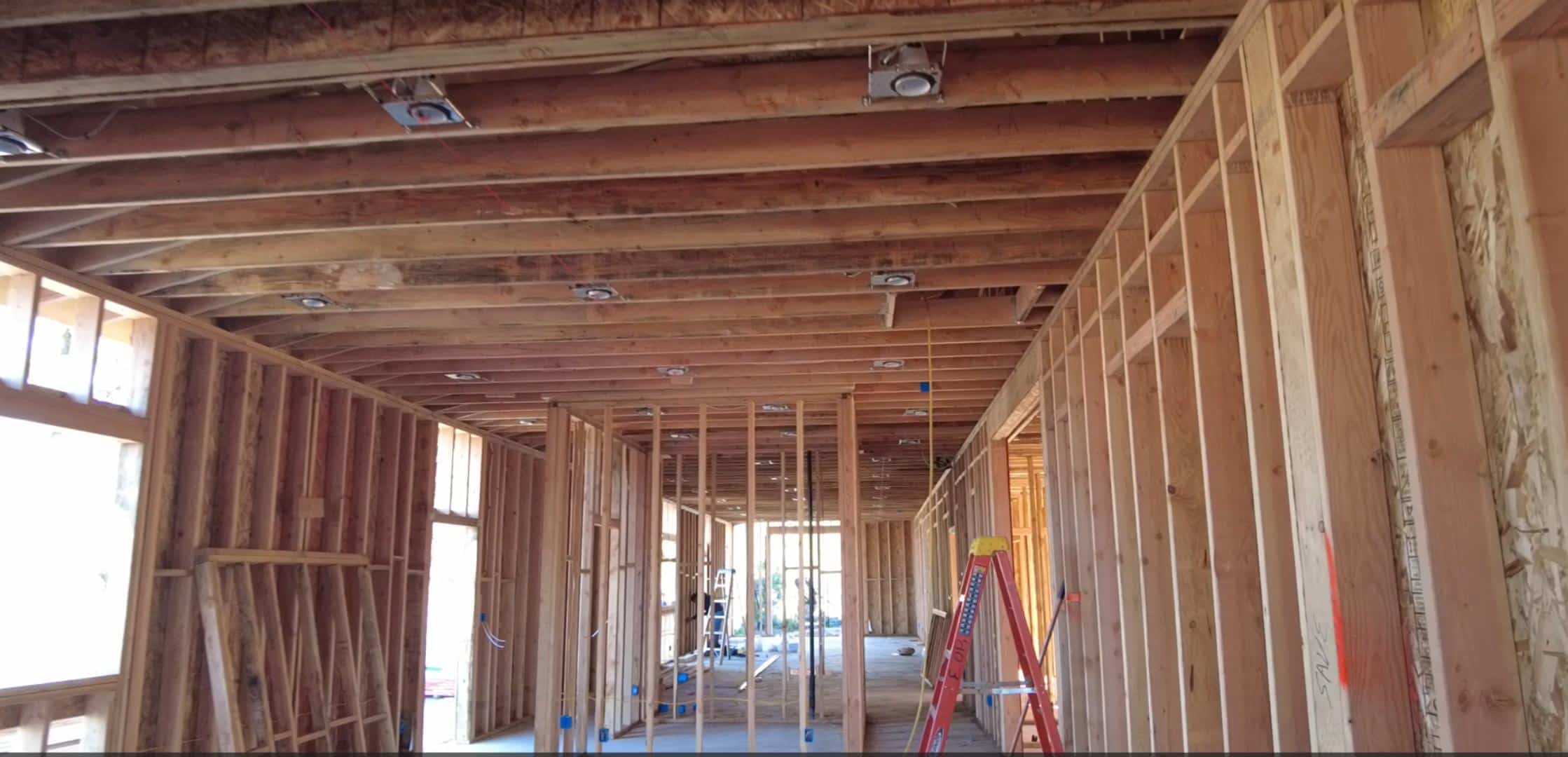
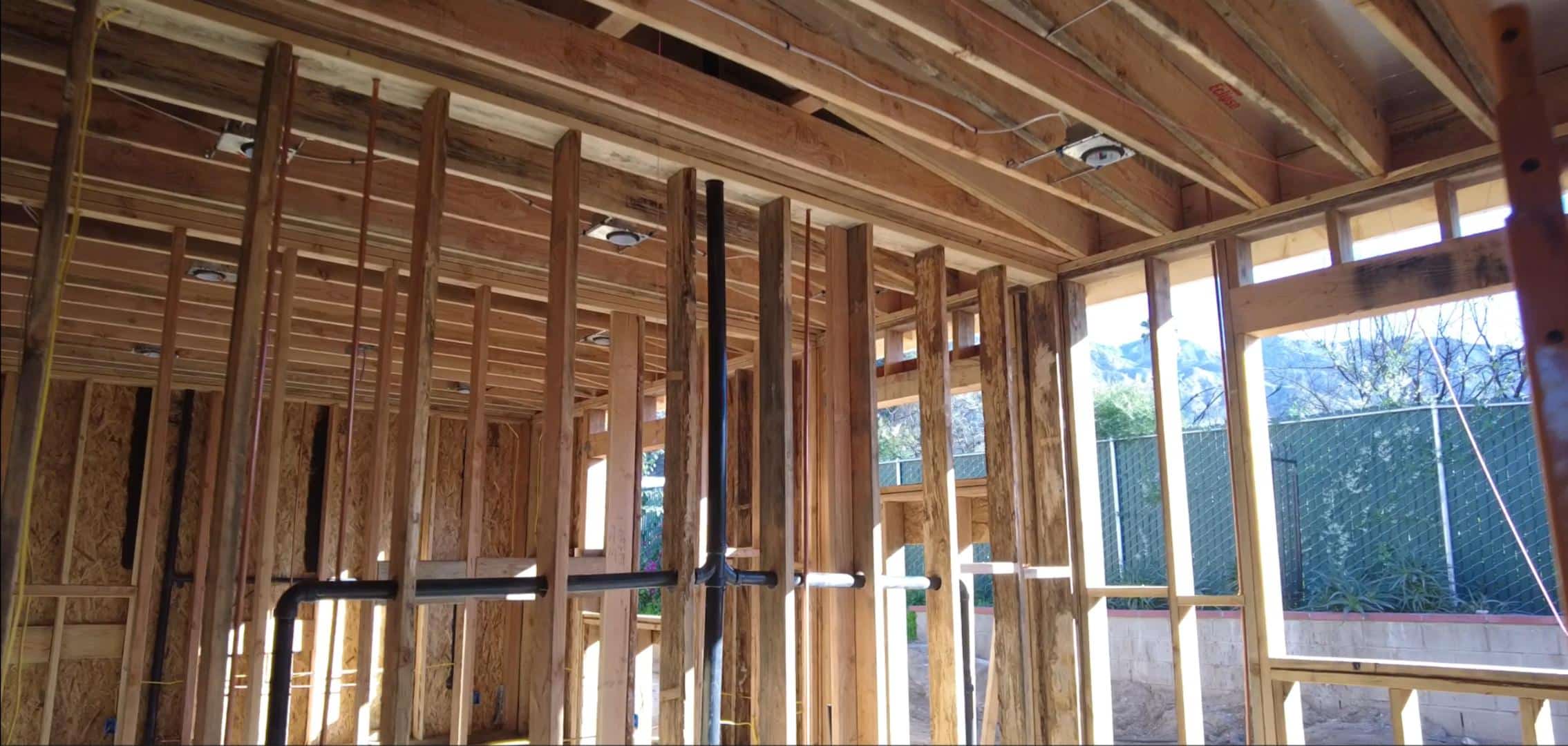
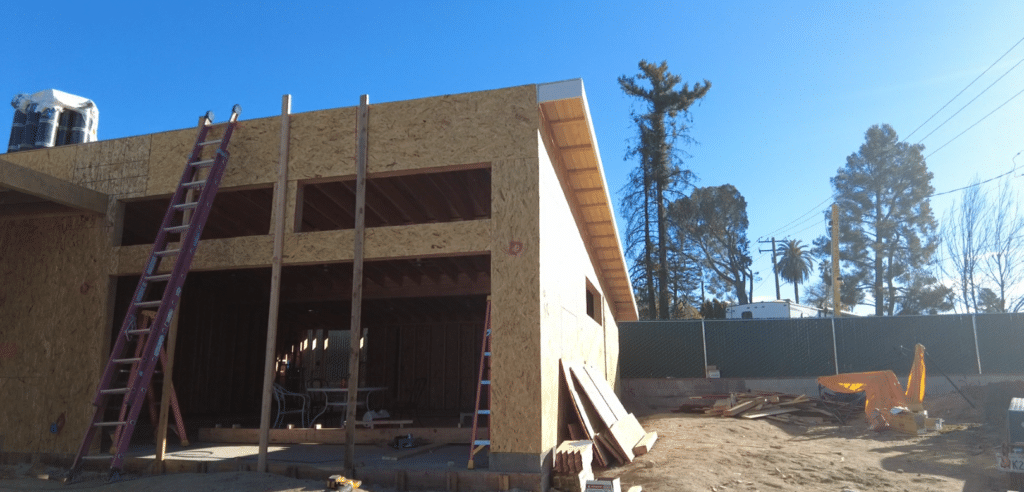
This project involved the full reconstruction of a 3,700 sq. ft. single-story custom home following fire damage, along with the construction of a detached Accessory Dwelling Unit (ADU). The rebuild included structural framing, roofing, exterior finishes, and complete installation of modern electrical, plumbing, and HVAC systems. The main residence was rebuilt to meet current California building and energy codes while maintaining a functional single-story layout with spacious living areas and an attached garage. A 488 sq. ft. ADU was also added, featuring a bedroom, bathroom, kitchen, and living area.
Completed Date
Project Budget
Project Duration
This project includes the reconstruction of a fire-damaged single-family residence and the construction of a new detached 488 sq. ft. Accessory Dwelling Unit (ADU). The work involves structural rebuilding, roofing, exterior finishes, and full installation of electrical, plumbing, and HVAC systems for both structures. The ADU will include 1 bedroom, 1 bathroom, a kitchen, and a living area.
Project Challenges
1. Fire Damage Assessment and Structural Safety
One of the primary challenges involved evaluating the extent of fire damage to the existing single-family residence. Fire events can weaken framing members, foundations, and structural connections. A detailed inspection and coordination with engineers was required to determine which structural components could remain and which needed to be replaced or reinforced to meet current building codes.
2. Rebuilding to Current Building Codes
Because the home experienced fire damage, reconstruction must comply with current California and Los Angeles County building codes, which are often stricter than the codes when the original house was built. This required upgrades to structural framing, insulation, energy efficiency, electrical systems, and safety systems.
3. Integrating a New ADU on the Property
Adding a 488 sq ft ADU to an existing property requires careful planning to ensure proper placement, setbacks, and accessibility. The design had to integrate the new structure while maintaining proper distances from property lines, existing structures, and utility connections.
4. Utility Coordination
Installing new utilities for the ADU presented coordination challenges. The project required connections for:
-
Electrical service
-
Gas supply
-
Water supply
-
Sewer drainage
These systems needed to integrate with the existing house infrastructure while meeting modern capacity and safety requirements.
5. Limited Site Access and Layout
The ADU is located toward the rear of the property behind the main residence. This created logistical challenges for:
-
Material delivery
-
Equipment access
-
Construction staging
Careful planning was required to maintain workflow efficiency without disrupting the surrounding structures or landscape.
6. Energy Efficiency and Title-24 Compliance
California’s Title-24 energy standards require high-performance building systems including insulation, HVAC efficiency, lighting controls, and window performance. Achieving compliance while maintaining design intent and cost efficiency required detailed planning and coordination between designers, engineers, and contractors.
7. Drainage and Site Slope Management
The site plan indicates slope and drainage considerations across the property. Proper grading and drainage were required to ensure water flows away from both the reconstructed home and the new ADU to prevent future foundation or moisture issues.
Objectives
1. Restore the Fire-Damaged Residence
The primary objective of this project is to safely reconstruct the existing single-family home that was damaged by fire. The goal is to restore the structure while upgrading it to meet modern building codes, safety standards, and energy efficiency requirements.
2. Construct a New Accessory Dwelling Unit
Another key objective is the construction of a new 488 sq. ft. ADU that will provide additional living space on the property. The unit is designed to function as a fully independent living area with a bedroom, bathroom, kitchen, and living room.
3. Improve Property Value and Functionality
By rebuilding the primary residence and adding a secondary dwelling unit, the project aims to significantly increase the overall functionality, usability, and long-term value of the property.
4. Ensure Code Compliance and Safety
All construction work is intended to comply with current California and Los Angeles County building regulations, including structural safety, fire protection, energy efficiency, and utility systems.
5. Create a Durable and Energy Efficient Living Space
The project focuses on delivering a modern, durable, and energy-efficient home that will provide comfortable living conditions while reducing long-term maintenance and energy costs.
Results
The completed project successfully restored the fire-damaged residence while adding a new, fully functional Accessory Dwelling Unit (ADU) to the property. Through careful planning, engineering coordination, and quality construction, the property was transformed into a safe, modern, and highly functional residential space.
The reconstructed single-family home now meets current California building codes and energy standards, providing improved structural integrity, safety, and long-term durability. Updated systems including electrical, plumbing, insulation, and HVAC contribute to enhanced comfort and energy efficiency throughout the home.
The addition of the 488 square foot ADU created a fully independent living space that includes a bedroom, bathroom, kitchen, and living area. This secondary unit adds flexibility to the property by offering space for extended family, guests, or potential rental income.
Overall, the project significantly increased the usability and value of the property while delivering a high-quality rebuild that meets modern construction standards. The result is a well-designed residential property that combines a fully restored primary home with a thoughtfully integrated accessory dwelling unit.
Solutions & Strategy
1. Comprehensive Structural Evaluation
The project began with a detailed evaluation of the fire-damaged structure to determine which elements of the existing home could remain and which required reconstruction. Engineers and design professionals worked together to ensure that all structural components were rebuilt or reinforced to meet current building standards and safety requirements.
2. Integrated Design and Planning
A coordinated design strategy was implemented to integrate the new ADU with the existing property layout. Careful planning ensured that the placement of the ADU maintained proper setbacks, accessibility, and functionality while preserving the overall flow of the property.
3. Modern Construction Methods
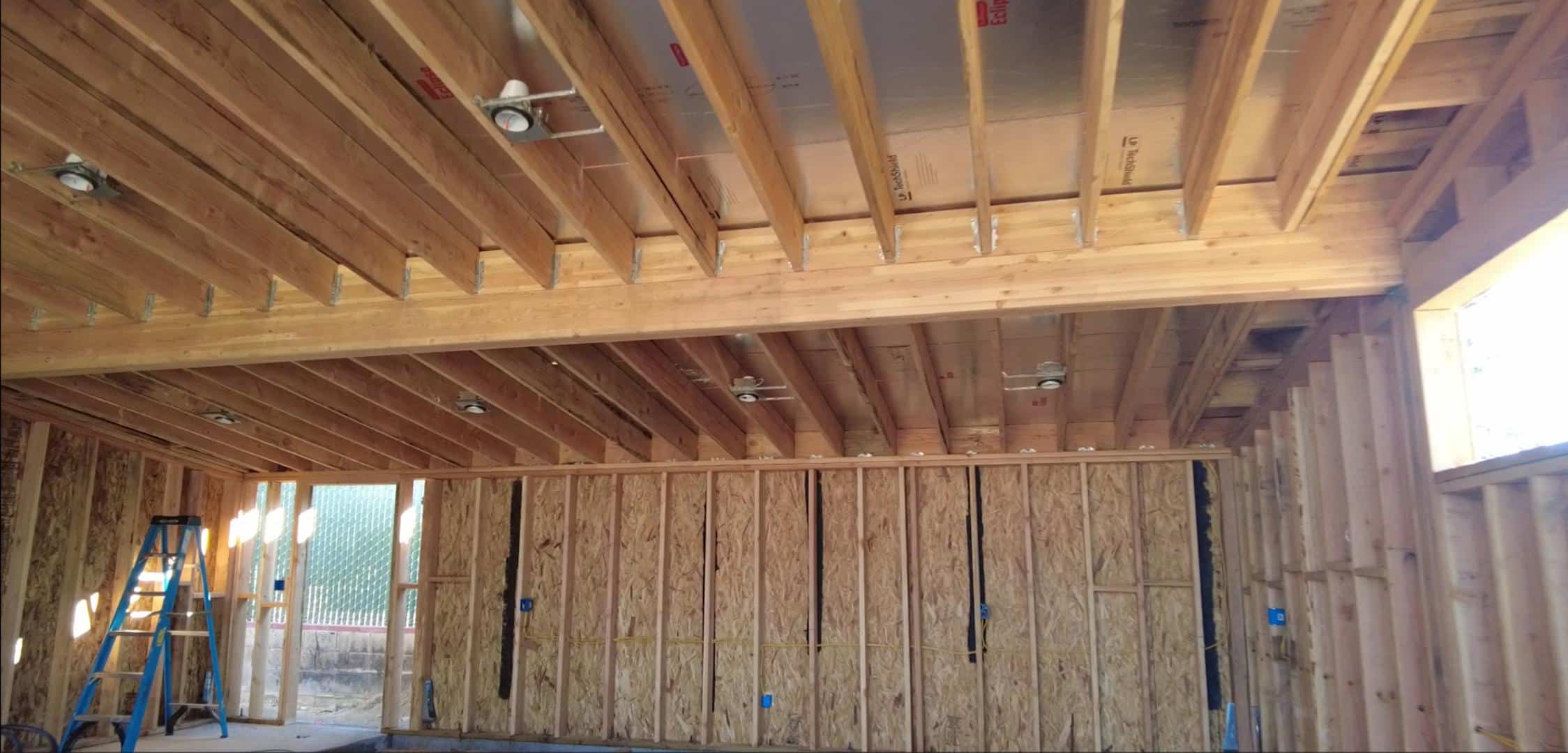
The reconstruction process utilized modern framing techniques, updated structural systems, and high-quality building materials to create a durable and long-lasting structure. Exterior finishes, roofing systems, and insulation were selected to improve performance and protect the building envelope.
4. Efficient Utility Coordination
Utility systems for both the primary residence and the ADU were carefully coordinated to ensure efficient distribution of electrical, plumbing, gas, and HVAC systems. Proper planning allowed the new ADU to operate independently while integrating seamlessly with the property’s existing infrastructure.
5. Energy Efficiency and Code Compliance
All aspects of the project were designed to comply with current California energy standards and building regulations. High-performance insulation, energy-efficient windows, modern lighting systems, and efficient HVAC equipment were incorporated to reduce energy consumption and improve overall building performance.
6. Organized Construction Process
A structured construction schedule and phased approach were used to manage site logistics, material delivery, and contractor coordination. This ensured that the project progressed efficiently while maintaining high standards of workmanship and quality control.